









The intersection of digital art and horology is a space frequently fraught with compromise. Often, when a watch brand collaborates with a contemporary visual artist, the end result is little more than a standard, off-the-shelf dial acting as a flat canvas for a familiar print.
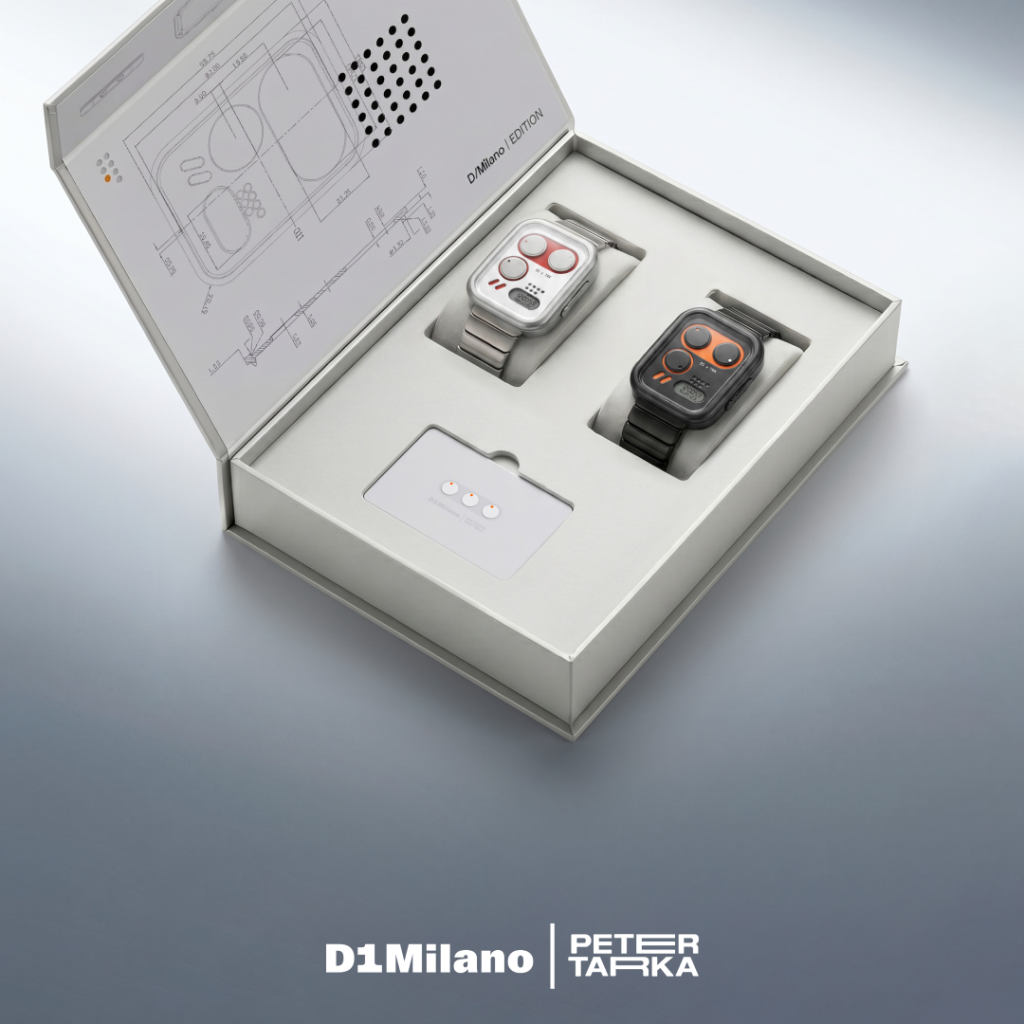
Milan-based D1 Milano, however, has decided to take a far more ambitious route. Partnering with renowned 3D artist Peter Tarka, the brand has launched a campaign on Kickstarter for a timepiece that began life as a completely surreal, gravity-defying piece of pure digital art.
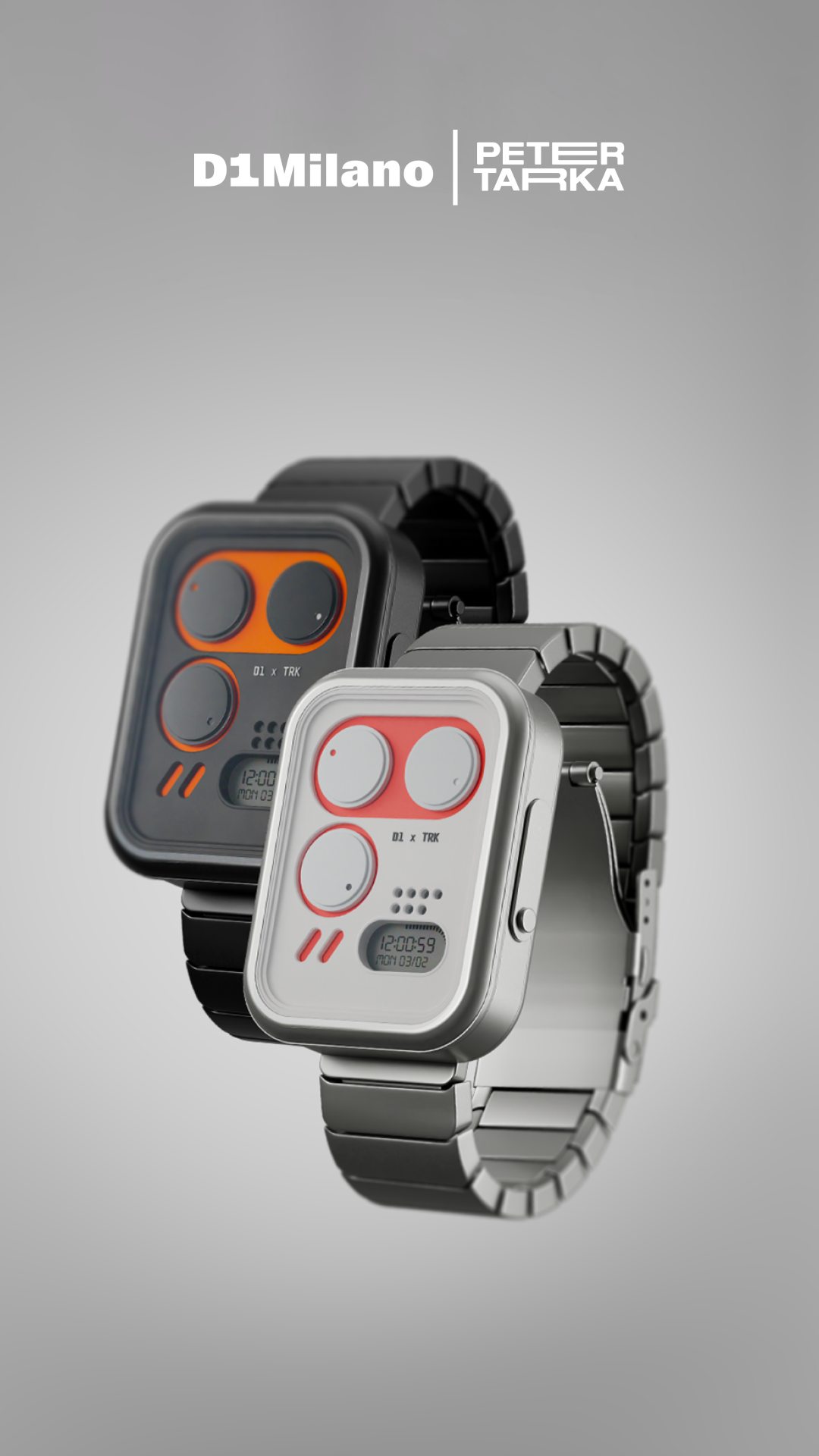
Dubbed the D1 Milano x Peter Tarka: The Impossible Watch, this project successfully transitions abstract digital geometry into a highly wearable, physical sculpture for the wrist. Available via Kickstarter starting at an approachable $379, it stands out as one of the most visually experimental design-forward releases of the year.
Translating 3D Art to the Wrist
Peter Tarka’s visual language is instantly recognizable across the design world. His digital 3D compositions inhabit a playful space where physical laws simply do not apply—surfaces float, geometric forms bend effortlessly, and vibrant colors dictate architectural space.
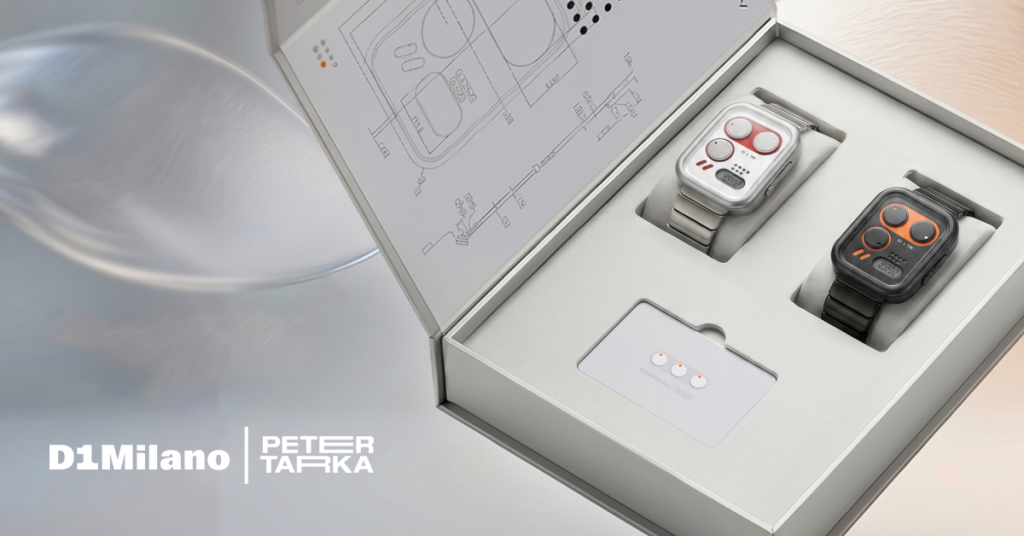
When D1 Milano approached Tarka, the goal was never to make a normal watch with an artist’s name stamped on it. Instead, they set out to preserve the surreal feeling of Tarka’s digital art and translate it into a physical object people could interact with every day.
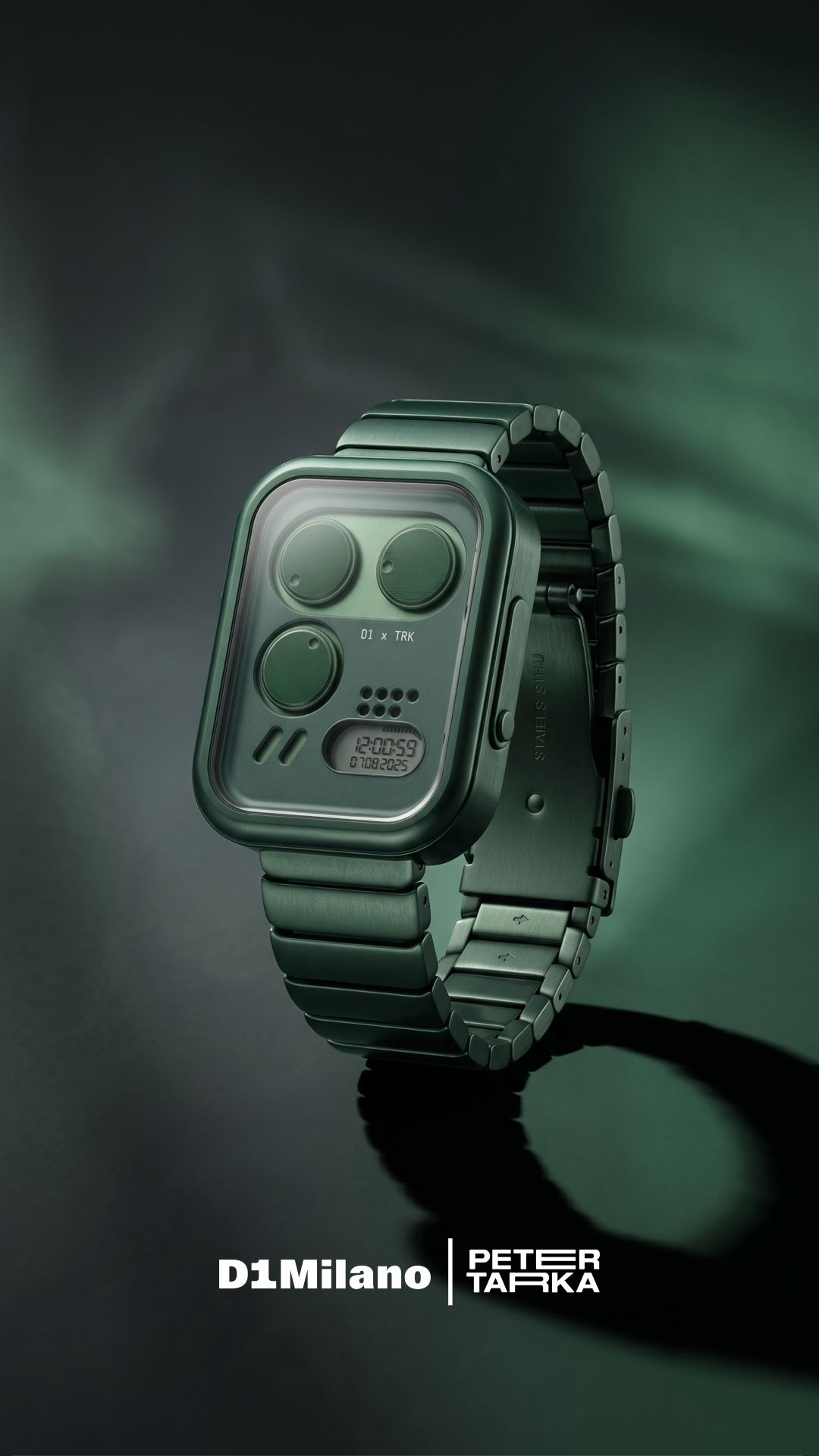
The co-design process required months of rigorous development between Tarka, D1 Milano’s in-house design team, and their product engineering division.
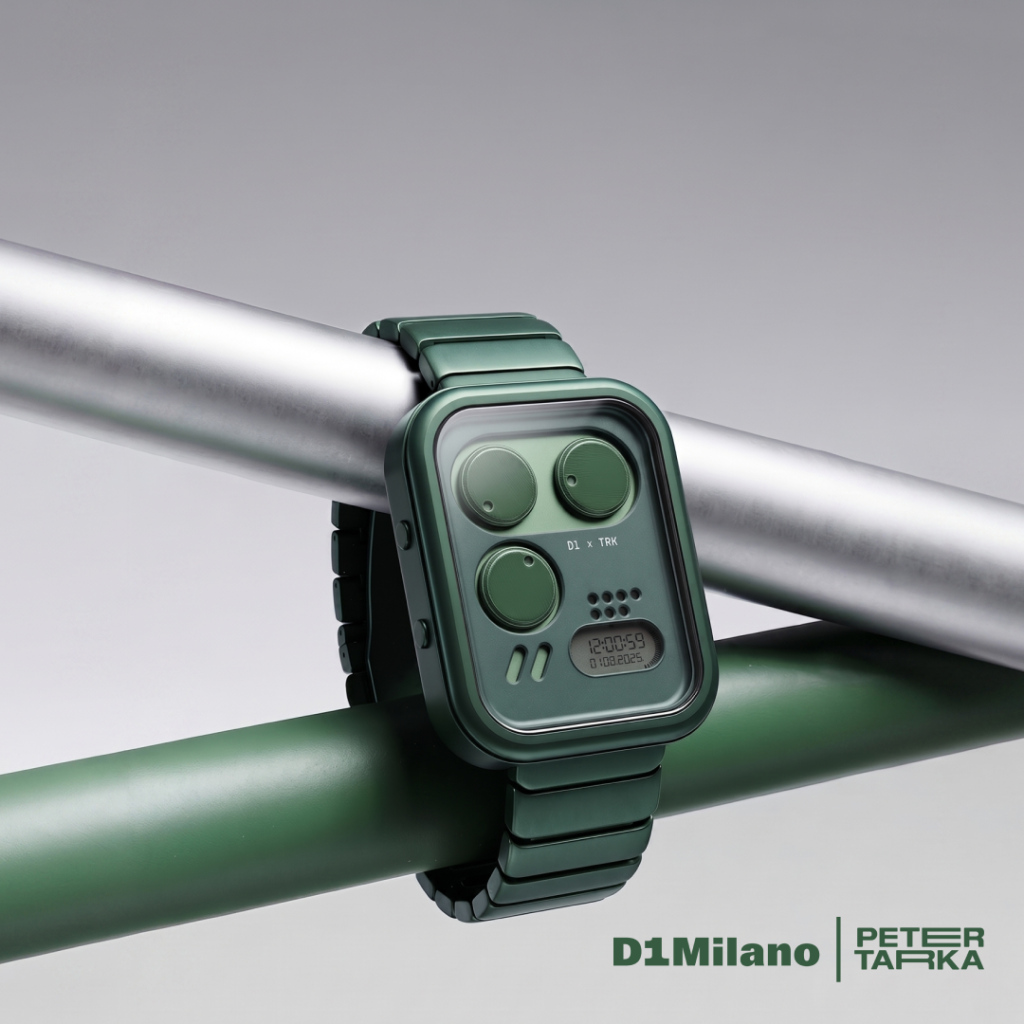
The original rendering was born in a digital landscape where gravity, component clearance, and material thickness didn’t matter. Refining those architectural lines into something that could be assembled, adjusted, and comfortably worn without losing its sculptural soul became the ultimate hurdle.
A Disorienting, Multi-Layered Display
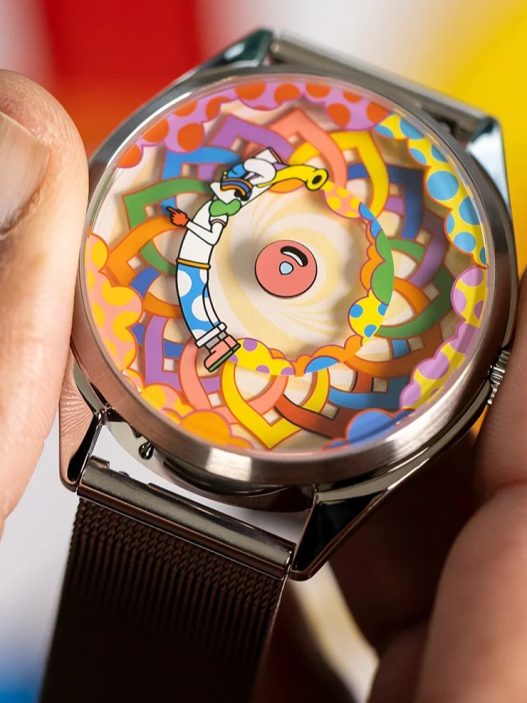
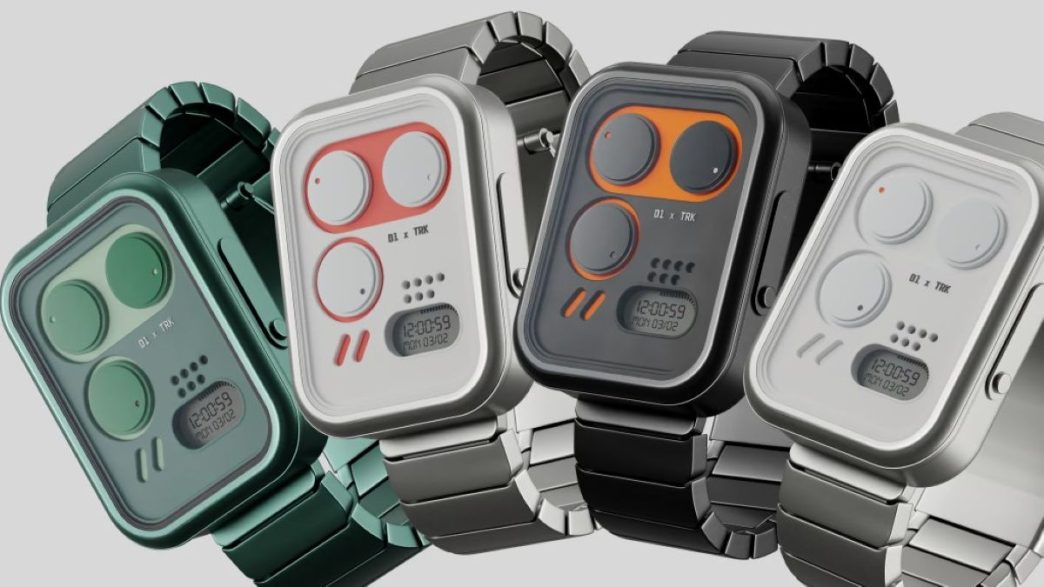
To maintain the architectural illusion of Tarka’s art, traditional hands were completely out of the question. Instead, the watch utilizes a mechanical-digital hybrid array centered around three dedicated rotating discs.
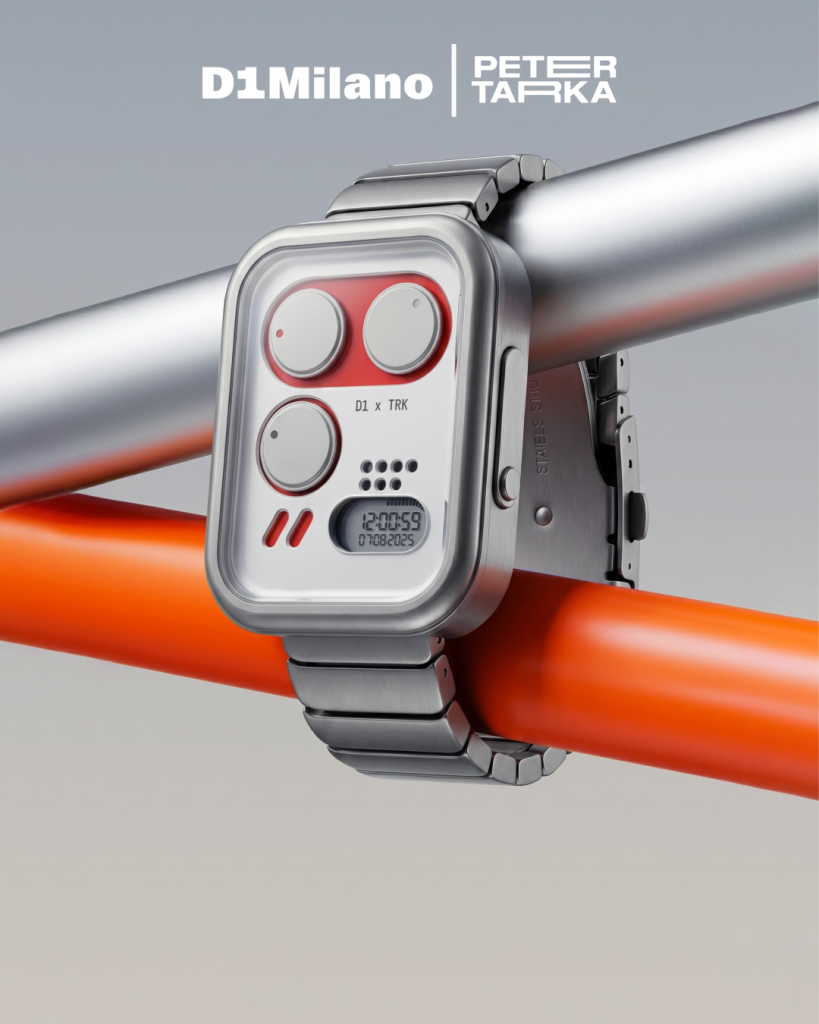
Once the time is set, these independent, concentric discs automatically spin to indicate the hours, minutes, and seconds.
* Time Indication: Three independent concentric rotating discs
* Calendar System: Seven progressive weekday illumination dots
* Secondary Display: Integrated digital LCD screen for immediate legibility
* Case Silhouette: Blocky, retro-futuristic integrated architecture
Adding to the dial’s kinetic charm is a highly unorthodox day-of-the-week tracker. Nestled alongside the spinning discs are seven small indicator dots that gradually turn on sequentially as the week marches forward. One illuminated dot represents Monday, building progressively until all seven light up to signal Sunday.
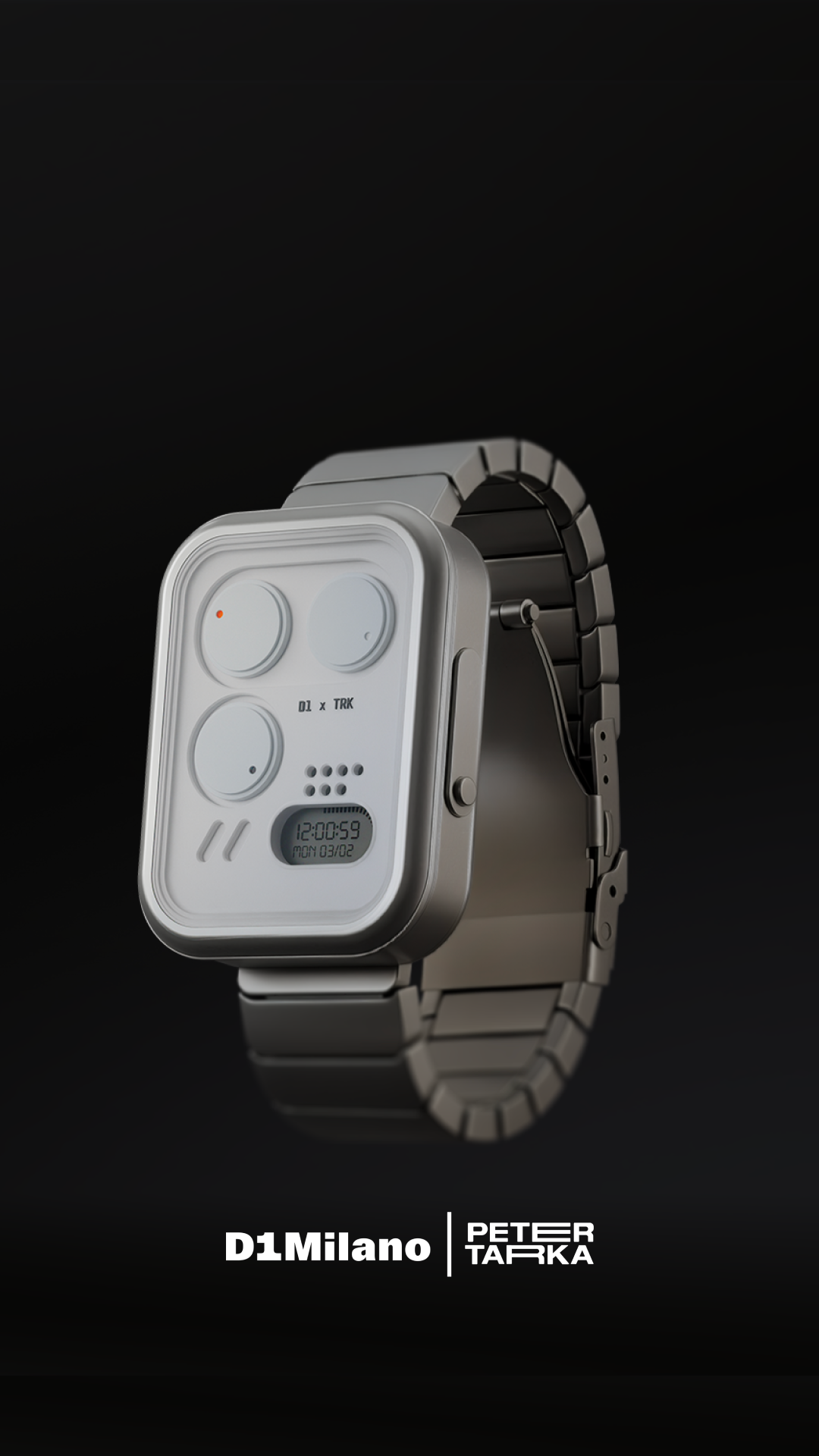
Recognizing that reading a constantly spinning array of abstract shapes can occasionally be a tracking challenge, the designers integrated a small digital screen that duplicates the essential time and date information.
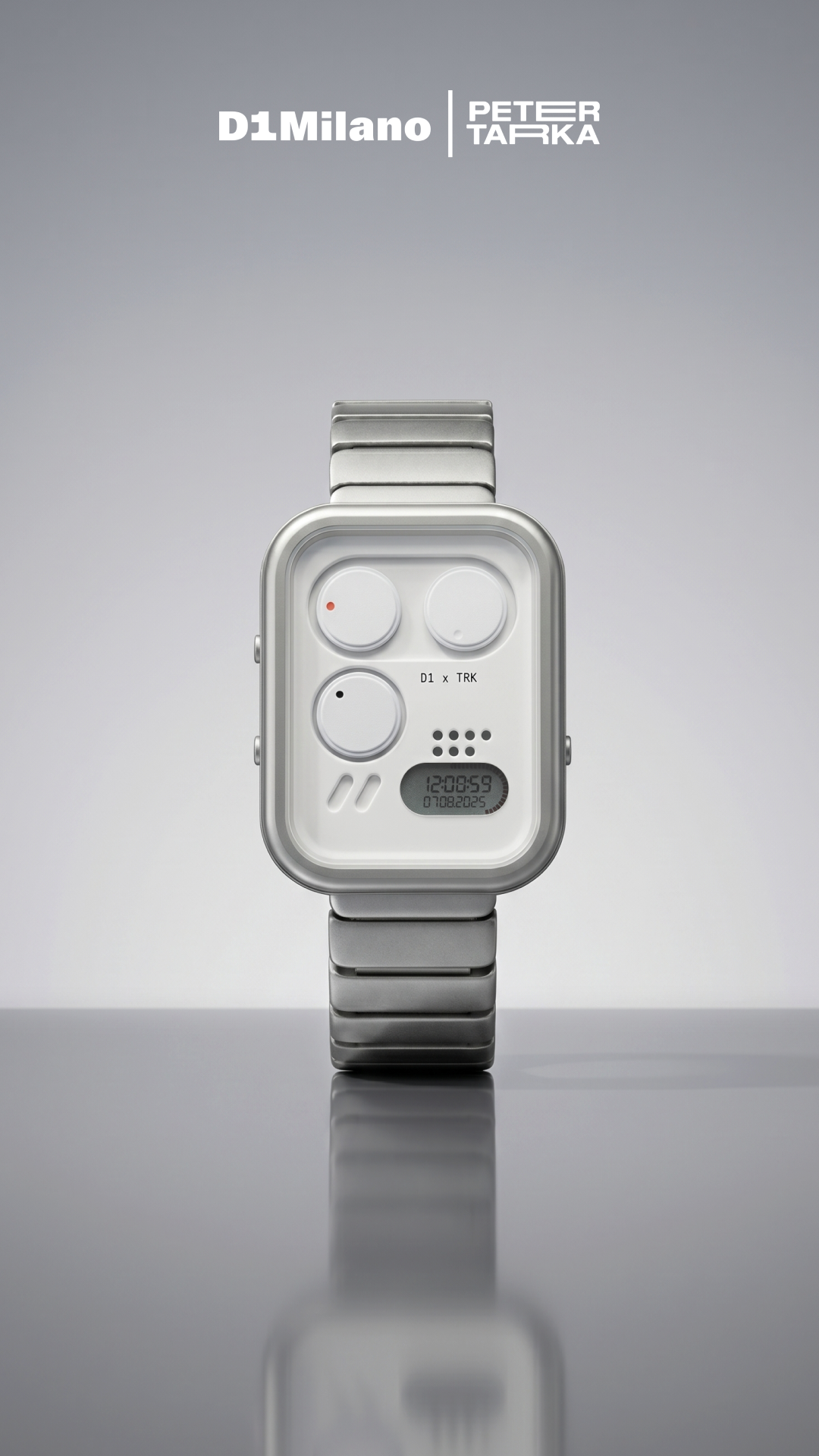
This clever layout makes the watch both a highly expressive piece of wrist art and a practical daily companion when you need a quick readout.
The Shift from Steel to Aluminum
Translating digital renderings into tangible objects often uncovers unexpected physical roadblocks. Tarka’s original aesthetic vision demanded that the watch be constructed from traditional stainless steel to give the blocky geometry a strong, solid presence.

However, once the first physical prototype arrived from the factory, the reality of a massive, heavily sculpted steel case and integrated link bracelet proved far too heavy for practical daily wear.

To solve this weight penalty, the engineering team completely remade the case and bracelet in aluminum.
“By transitioning the entire architecture to high-grade aluminum, the team slashed the total weight by a massive 50 percent compared to the initial steel design, drastically improving on-wrist comfort.”
| Feature / Attribute | Design Specifications |
| Material Build | Anodized Aluminum (Case and Integrated Bracelet) |
| Weight Metric | 50% lighter than traditional stainless steel versions |
| Display Assist | Auxiliary digital LCD panel for instantaneous clarity |
| Campaign Phase | Active Kickstarter campaign funding mass production |
Furthermore, changing materials unlocked an essential design element: anodization. Anodized aluminum opened up a rich spectrum of deep, vibrant color finishes that would be impossible to achieve on steel, allowing the final physical watch to stay entirely faithful to the pastel-meets-industrial color universe of Tarka’s digital portfolio.
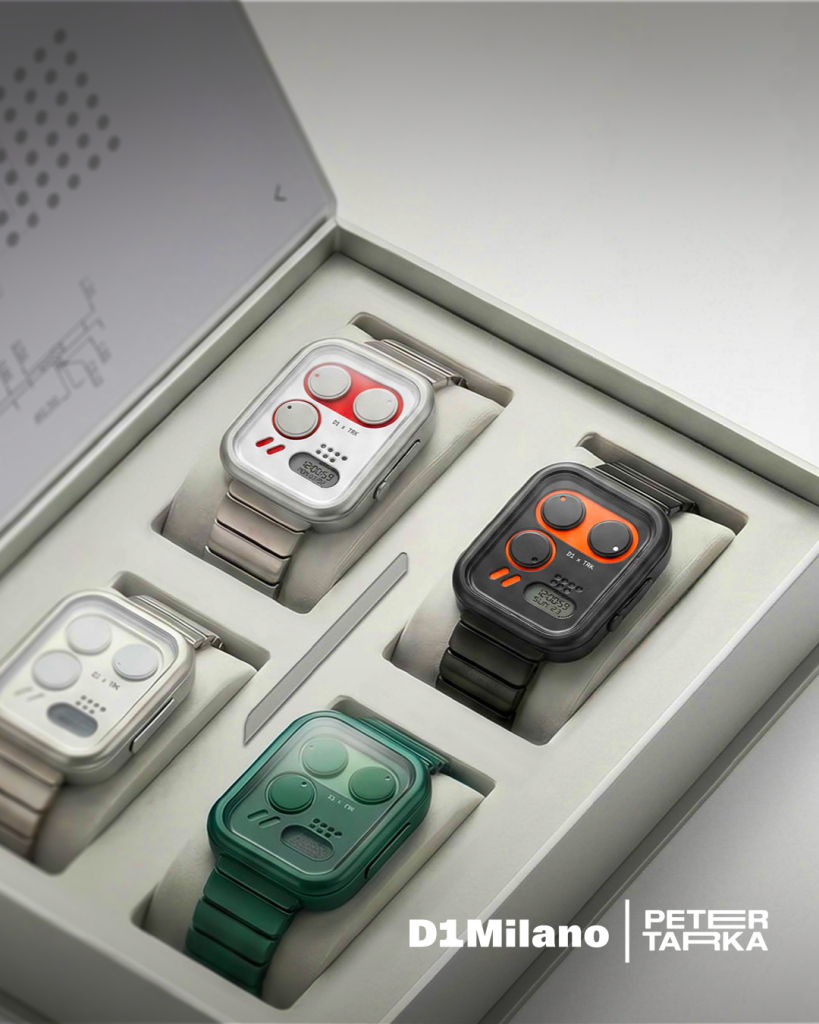
For $379, the D1 Milano x Peter Tarka: The Impossible Watch represents a compelling, highly accessible entry point into design-forward watchmaking.